Memoirs at a Glance
Phil Upchurch's journey spans decades of American music history, weaving through jazz, blues, gospel, R&B, and beyond. These scrapbook notes capture the people, places, and stories that shaped his sound and his life.
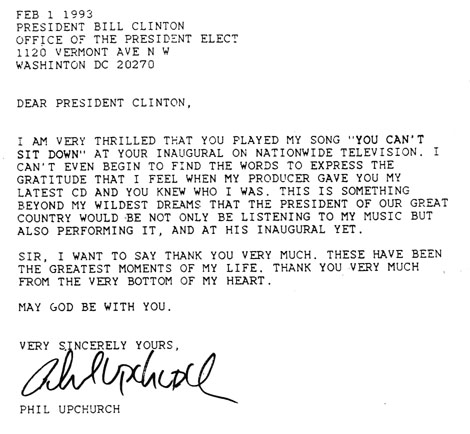
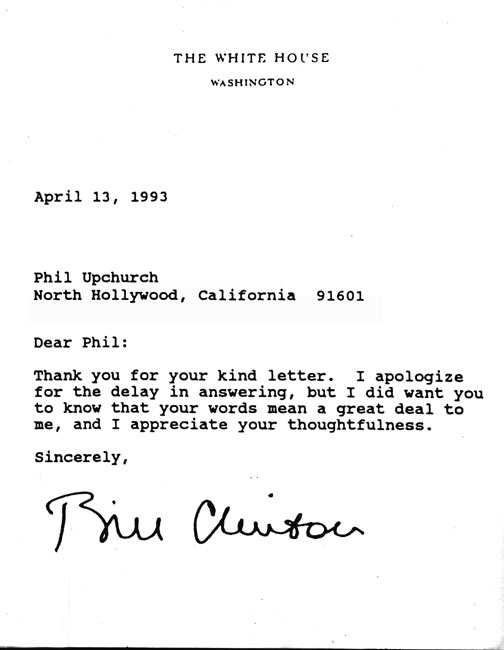
Friends & Collaborators: Whitney Houston, Julio Iglesias, George Benson, President Bill Clinton, Bill Cosby, Michael Jackson, Muhammad Ali, Sheena Easton, Joe Frazier, Quincy Jones, Wesley Snipes, Danny Glover, Dee Clark, Dizzy Gillespie, Jimmy Smith, David Sanborn, Joe Williams, Gary Burton, Chick Corea, Herbie Hancock, Ben Sidran, Carmen McRae, Ray Brown, Stan Getz, Grover Washington Jr., Ramsey Lewis, The Staple Singers, Willie Dixon, Jimmy Reed, B.B. King, Albert King, The Spaniels, Neil Sedaka, Smokey Robinson, Richard Pryor, Aretha Franklin, Chaka Khan, Curtis Mayfield, Jerry Butler, Marvin Gaye, Natalie Cole, The Crusaders, John Lee Hooker, Leon Russell, Ray Charles, Al Hirt, Gene Ammons, Buddy Montgomery, Philly Joe Jones, Wynton Kelly, Donny Hathaway, Branford Marsalis, Cat Stevens, and so many more.
Early Years
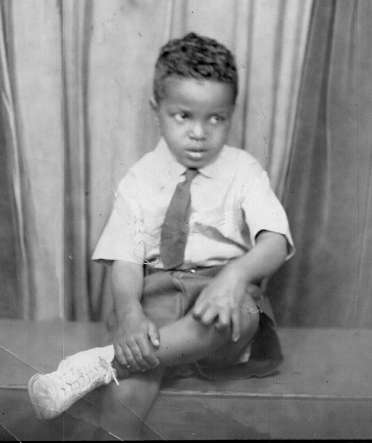
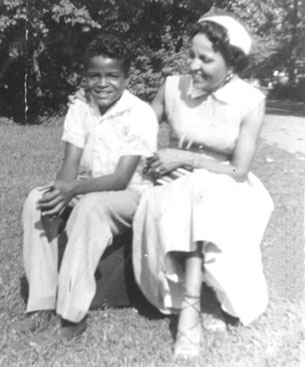
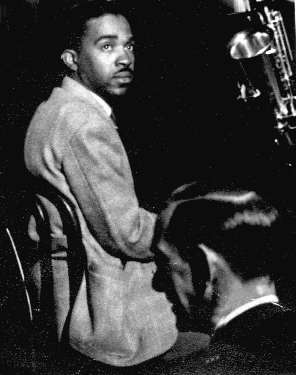
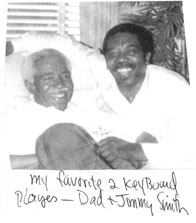
In 1954, while still an adolescent, Phil's father placed a ukulele in his hands and taught him the basics. A few years later the question came: "Are you ready for the guitar?" Phil said yes, and the rest is history.
The 1950s
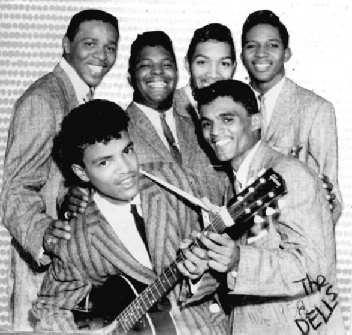
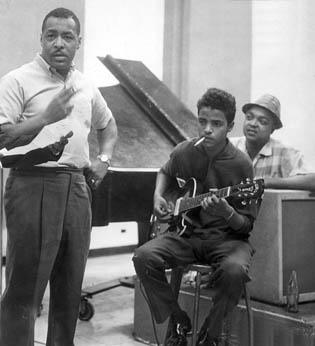
Beginning in 1955 with Vee Jay Records, Phil worked with Dee Clark, Jimmy Reed, The Dells, The Spaniels, The Moonglows, and countless others. He quickly became a first-call studio musician, contributing to hundreds of records, film scores, TV themes, and radio jingles. His partnership with George Benson would later yield the classic "6 to 4" on the Breezin' album, and Phil would ultimately release more than two dozen projects of his own.
The 1960s

Phil's first bass gig came on Chicago's West Side with Otis Rush's band. "I didn't even own a bass when he called me," Phil remembers. "I had to run out and buy one right quick."

From Rock & Roll to Radio Operator
Company A, 6th Battalion, 2nd Brigade welcomed Private Phillip Upchurch in 1965. Just a few years earlier, he co-led The Phil Upchurch Combo to a Top 10 hit with "You Can't Sit Down." While studying to be an intermediate-speed radio operator, Phil could still be found playing the Fort Knox NCO Clubs between the dits and dahs.
After active duty, he returned to the road and the studio, ready for more smash hits.

Photographer Robert Perine sent Phil this 1967 portrait in 1995. "I looked and said, 'Oh, nice shot of Hendrix,' and later realized it was me!" Phil laughs.


Donny Hathaway remains one of Phil's most cherished collaborators. "His chord concepts would bring tears to my eyes while we were performing," Phil recalls. "I'm glad I was usually sweating enough to hide the tears."
The 1970s
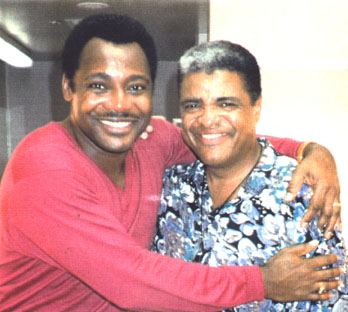
Phil met George Benson in 1962 when their bands shared a bill in Washington, D.C. Over a decade later, Benson invited Phil to contribute to Bad Benson, leading to the classics "Full Compass" and "No Sooner Said Than Done." Their friendship and musical partnership remain legendary.
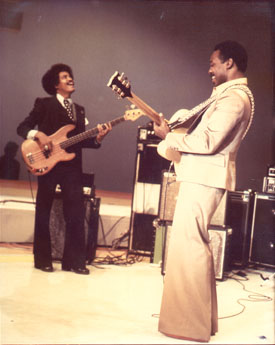
Phil's arrangement of "Take Five" won George over instantly. "He said, 'Now you're talking,' and asked me to come to New York so we could capture the right feel together."
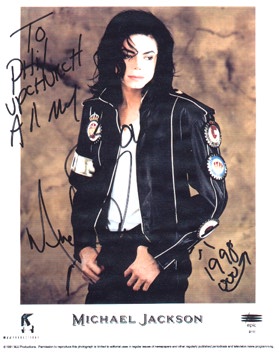
Phil crossed paths with the Jackson family in their early Gary, Indiana days. Joe Jackson once hired Phil for a demo session with his sons, and years later Michael returned the favor with a personalized autograph. "I figured he was just another cute kid who'd grow up to be who-knows-what," Phil smiles. "Turns out, he became Michael Jackson."
The 1980s
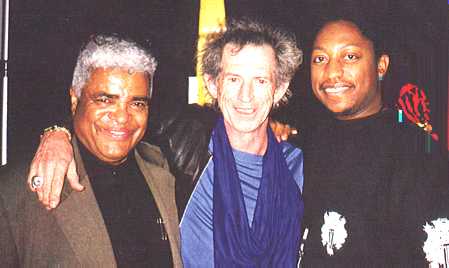
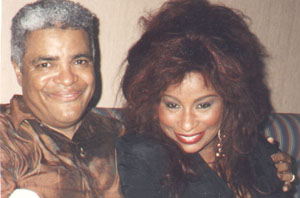
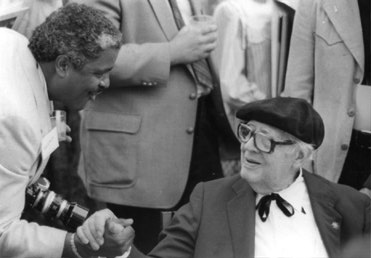
Andres Segovia single-handedly brought the guitar into the classical orchestra. Meeting him at age 92 left Phil in awe: "He was so engrossed in his art he forgot to get old."
Touring behind the Iron Curtain in the late 1980s with Jimmy Smith revealed a different side of life on the road. Scarce resources, guarded borders, and unwavering audiences underscored how music transcends every boundary.
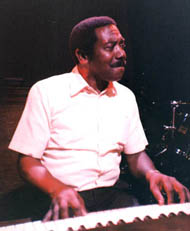
During a Barcelona set with Jimmy, Phil decided on a whim to perform Bach's Chaconne. The crowd erupted. "I wish I could get that kind of reaction from the stuff I usually play," he jokes.
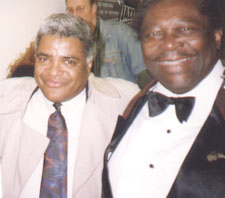
The 1994 Kirk Whalum Boys & Girls Club Benefit brought another unforgettable ovation. Phil closed his set with a slow blues, invoking B.B. King's signature triplet. "The whole house was on their feet," he says. "Thank you very much, Mr. B.B. King."
The 1990s
The Guitar Summit
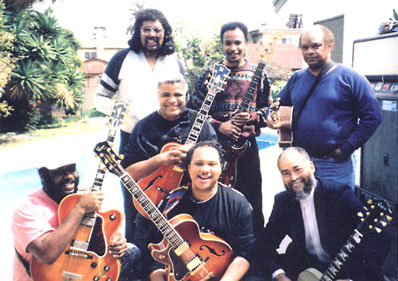
Phil's vision for The Guitar Summit was to showcase players who defined R&B guitar across three pivotal decades. Wah-Wah Watson, David T. Walker, Eric Gale, and Al McKay brought singular styles to the stage, supported by James Jamerson Jr. on bass and James Gadson on drums.
Continue Exploring
The scrapbook is only part of the story. Step into Phil's photo archives for more moments with friends, family, and an ever-growing musical community.